


You probably weren’t worried about cardiovascular effects when you first heard about Modafinil.
All you thought was about
Focus.
Energy.
Mental clarity.
Getting through a difficult task and finishing work when your brain is avoiding it.
Honestly, that is where people start using it in the first place. Students. Night shift workers. Entrepreneurs. Narcolepsy patients.
But somewhere along the way, the question always shows up:
“Wait….is it actually safe for my heart?”
That concern is not normal. Many users feel a sudden urge to check all these things as they can see physical changes after taking Modaheal 200 mg.
A slightly faster heart beat.
Tightness on the chest.
Feeling overstimulated after coffee.
Blood pressure creeping up during stressful days.
The conversation around Modafinil heart side effects has become much more common in recent years.
What exactly does Modafinil do to the body?
Modafinil is a brain stimulating drug that is used for the treatment of Sleep disorders like Narcolepsy. Shift worker Sleep Disorder, Obstructive sleep apnea, etc.
It is categorized as a smart drug as it increases alertness and learning capacity.
It influences several neurotransmitters involved in alertness and stimulation:
- Norepinephrine
- Dopamine
- Histamine
- Orexin
Because of this, the body can respond in ways where it resembles a mild stimulant activator.
This is where discussions about Modafinil heart health begins.
The nervous system does not always separate mental alertness from physical stimulation. Increased alertness can sometimes trigger:
- Elevated heart rate
- Increased blood pressure
- Palpitations
- Anxiety like symptoms
- Vasoconstriction
Not everyone experiences these effects equally though.
Most common Modafinil Heart side effects
Cardiovascular side effects are generally uncommon at prescribed doses but they can occur.
The most commonly reported issues are:
Increased heart rate (Tachycardia)
One of the most discussed concerns with Modafinil heart rate is Tachycardia which is increased heart rate.
For some users, it might feel normal and subtle.
For others, it feels uncomfortable and distracting, especially during exercise and periods of stress. You might notice:
- Resting heart rate climbing than the normal
- Pounding heartbeat at night
- Increased pulse after caffeine
- Heart racing during anxiety episodes
All these symptoms becomes more noticeable when:
- Sleep is poor
- Hydration is low
- Dosage is high
- Other stimulants are combined
Elevated blood pressure
Modaheal 200 mg may cause slight to moderate increase in blood pressure in certain users.
Another major concern with modafinil blood pressure is sympathetic nervous system activation.
It can be easily seen in individuals who are already facing:
- Elevated blood pressure
- Cardiovascular diseases
- Chronic stress
- Obesity
- Anxiety
Some users never monitor their BP at all while using cognitive enhancers, which is probably a mistake.
Especially during long term use.
Chest tightness or palpitations
This one effect tends to bring panic among people quickly.
A skipped beat.
Fluttering sensation.
Pressure in the chest.
Do keep in mind that not every palpitation means heart disease. Anxiety itself can trigger similar sensations. But Modafinil can sometimes intensify awareness of cardiovascular activity.
And once people notice it, they cannot stop paying attention to it.
That cycle alone can worsen symptoms.
Why is modafinil sometimes called a “Safer Stimulant”?
This is where things get a bit confusing.
Modafinil is often marketed or discussed as being different from amphetamines like Adderall.
And to some extent, it is true.
Modafinil generally produces:
- Less euphoria
- Lower abuse potential
- Milder stimulation
- Reduced dopamine spikes
But milder does not mean risk free.
That phrase “non-stimulant” gets thrown around too casually online. Physiologically, modafinil still has stimulant-like properties.
That means the potential for modafinil cardiovascular effects still exist.
They may simply occur less aggressively than the traditional stimulant.
Is Modafinil safe for heart health?
There is this one question that probably keeps stirring in every person’s mind: “Is Modafinil safe for heart health?”
The honest answer is : For many adults, modafinil appears to be well tolerated at standard doses.
But there are important expectations.
People with pre-existing cardiovascular issues should be more cautious.
That includes:
- Arrhythmias
- Uncontrolled hypertension
- Structural heart disease
- Mitral valve prolapse
- Previous heart attack
- Severe anxiety with palpitations
In such situations, the overall stimulant heart risk becomes more significant.
Many a times, physicians recommend:
- Blood pressure monitoring
- ECG
- Lower starting doses
- Avoiding stimulant combinations
- Medical history should be shared
The caffeine problem nobody talks about enough
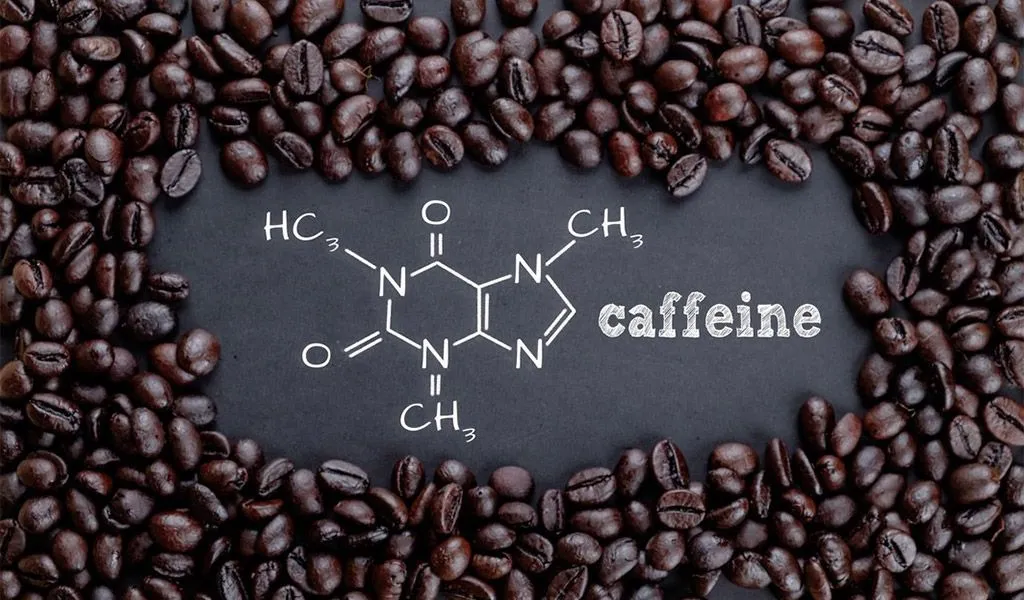
This combination causes more issues than people realize.
Someone takes modafinil in the morning, then coffee.
Then another coffee because “it doesn’t feel strong feel”
Then maybe an energy drink later.
Now the nervous system is overloaded.
A huge percentage of unpleasant Modafinil heart side effects seem connected to stacking stimulating together.
The combination may increase:
- Heart rate
- Blood pressure
- Anxiety
- Sweating
- Chest discomfort
- Panic symptoms
Even healthy people can feel physically strained due to excessive stimulation.
And because Modafinil lasts longer,it can show overstimulation for hours.
Does dosage affect cardiovascular risk?
Absolutely.
Dose matters more than many users think.
Typically prescribed dosages are: 100 mg and 200 mg
Higher doses are between 300-400 mg
At lower doses, many users experience milder cardiovascular changes.
At higher doses, modafinil heart side effects can be seen much more.
People usually have a misconception that:
“If 200 mg helps, then 400 mg would be more beneficial.”
The logic backfires most of the time.
More stimulation does not always mean more productivity. Sometimes it just means:
- More anxiety
- Faster pulse
- Worse sleep
- Elevated Blood pressure
- Physical exhaustion afterward
Long term Modafinil use and the heart
Research on long term cardiovascular outcomes is still somewhat limited.
That uncertainty also matters.
There is no massive evidence showing widespread heart damage from standard therapeutic modafinil use in healthy people.
Especially in people using:
- High doses
- Daily off-label regimens
- Multiple stimulants
- Poor sleep habits
- Existing cardiovascular risk factors
The body can tolerate stimulation for a while before symptoms fully appear.
The delayed effect is what makes the cardiovascular risks more tricky.
Warning signs you should not ignore
Some symptoms deserve medical attention rather than internet reassurance.
You should take modafinil heart side effects seriously if the following effects are seen:
- Chest pain
- Severe palpitations
- Shortness of breath
- Fainting
- Irregular heartbeat
- Severe dizziness
- Sustained high blood pressure
All these symptoms do not automatically point to permanent heart damage.
But they shouldn’t be brushed off either.
Who should probably avoid Modafinil?
Certain individuals might face a higher stimulant heart risk than others.
Extra caution should be practiced in individuals facing issues such as:
- Hypertension
- Panic attacks
- Arrhythmia
- Use nicotine heavily
- Take ADHD Stimulants
- Use pre-workout supplements
- Have a family history of sudden cardiac arrests
- Are sensitive to caffeine
Sometimes the issue is not modafinil alone. It is also strongly influenced by:
- Sleep deprivation
- Chronic stress
- Excessive caffeine
- Poor hydration
- Overwork
Modafinil simply amplifies the strain already happening underneath.
Can you reduce Modafinil heart side effects?
Some individuals handle modafinil much better after making a few adjustments. Common strategies include:
- Lowering the dose
- Avoiding caffeine stacking
- Staying hydrated
- Taking breaks from stimulants
- Monitoring blood pressure regularly
- Prioritizing sleep quality
- Avoiding late-day dosing
Oddly enough, many cardiovascular complaints improve when sleep deprivation improves.
That sounds obvious, but people often use modafinil to override exhaustion while ignoring the underlying cause of the exhaustion itself.
Final Thoughts
The discussion around Modafinil heart side effects is not really about fear mongering.
It is about realism.
Modafinil may be milder than traditional stimulants, but it still affects the cardiovascular system in many users. For healthy individuals using responsible doses, the risks may remain relatively low.
Still, “low risk” does not mean “no risk.”
Your body usually gives signals before serious problems happen:
- Elevated pulse
- Palpitations
- Rising blood pressure
- Chest discomfort
- Anxiety spikes
Paying attention to those signals matters. Especially when stimulants become part of everyday life rather than occasional medical treatment.
Because sometimes the problem is not a single tablet.
It is the slow normalization of running your nervous system at full speed all the time.
FAQs
- Is modafinil safe for heart patients?
Modafinil should be used with extreme caution in heart patients or it is best to be avoided in such patients.
- What are the possible heart related side effects?
The possible heart related side effects are chest pain, faster than normal heartbeat and shortness of breath.
- When is the peak concentration of modafinil achieved?
Modafinil typically reaches its peak concentration within 2 to 4 hours of ingestion.
- What are the uses of Modafinil?
Modafinil is used for sleep disorders like obstructive sleep disorder, narcolepsy, shift worker sleep disorder, etc.