


Every corporate worker has this moment around mid-afternoon where focus just… falls apart. Not because anything changed around you. Just because you’ve been awake long enough.
That’s sleep pressure, and it’s actually a fairly well understood mechanism, not some vague “you’re tired” hand-wave.
What is sleep pressure?
Sleep pressure is your body’s built-in urge to sleep that grows the longer you stay awake. Not tiredness in a vague emotional sense; an actual, measurable biological drive.
Scientists call it the homeostatic sleep drive, or Process S if you’re using the formal model. The basic idea of sleep pressure: every hour you’re awake, this pressure climbs a little higher. Every hour you’re in deep sleep, it drops back down. It’s a cycle running constantly in the background whether you’re paying attention to it or not.
Think of it like a bucket slowly filling with water while you’re awake. Nothing dramatic happens for a while, then at some point the bucket’s full enough that you can’t ignore it anymore. That’s the wall you hit in the afternoon, or that heavy, can’t-keep-my-eyes-open feeling late at night.
What is adenosine?
The thing filling that bucket is adenosine.
It’s a naturally occurring molecule, technically a nucleoside, that gets produced as a byproduct whenever your neurons use energy. Your brain cells burn ATP (adenosine triphosphate) to function, and as that energy gets used up, adenosine is what’s left over.
Being awake means your neurons are firing constantly, which means energy’s being used constantly, which means adenosine keeps getting produced constantly. It accumulates in the spaces around neurons, particularly in an area called the basal forebrain, and binds to specific receptors there (A1 and A2A receptors, if you want the exact names).
Once bound, adenosine dampens the activity of neurons responsible for keeping you alert. Less alertness signal, more pull toward sleep. That’s the whole mechanism in a nutshell: a chemical byproduct of being awake eventually working against wakefulness itself.
Why does it matter?
This isn’t just a neuroscience trivia fact. Sleep pressure and adenosine buildup explain a lot of things people experience but rarely connect to a cause.
Why do you crash at a predictable point in the day even on good sleep? Why pulling an all-nighter makes the next day feel foggy in a very specific, heavy way. Why caffeine eventually stops working no matter how much you drink. Why deep sleep specifically, not just total hours is what actually resets the system.
It also matters because sleep pressure is one of the two main forces regulating when you feel alert versus drowsy, alongside your circadian rhythm. Understanding it explains why forcing yourself through fatigue with willpower or stimulants doesn’t fix anything; the underlying chemical load is still there, just temporarily unnoticed. Eventually it catches up.
What is Process S, and why is it random?
Sleep researchers use something called the two-process model to explain when you feel sleepy and when you don’t. One process is circadian, your internal 24-hour clock, driven mostly by light exposure and a structure in your brain called the suprachiasmatic nucleus. The other is Process S, the homeostatic sleep drive, and this is what most people mean when they say “sleep pressure.”
Process S rises steadily across the day. It’s not a spike-and-crash pattern, it’s closer to a slow, near-linear climb the longer you stay awake, the more it builds, hour after hour. Then during sleep, particularly early in the night, it drops.
The two processes usually work together. Circadian rhythm dips in the evening right as Process S has built up enough to make you sleepy, so under normal conditions they line up. Mess with one: jet lag, night shifts, an all-nighter and you feel the mismatch directly, because pressure and clock stop agreeing with each other.
Related: Circadian Rhythm Disorders: Symptoms, Treatment & Types
Why does caffeine feel like it works, but doesn’t actually clear anything?
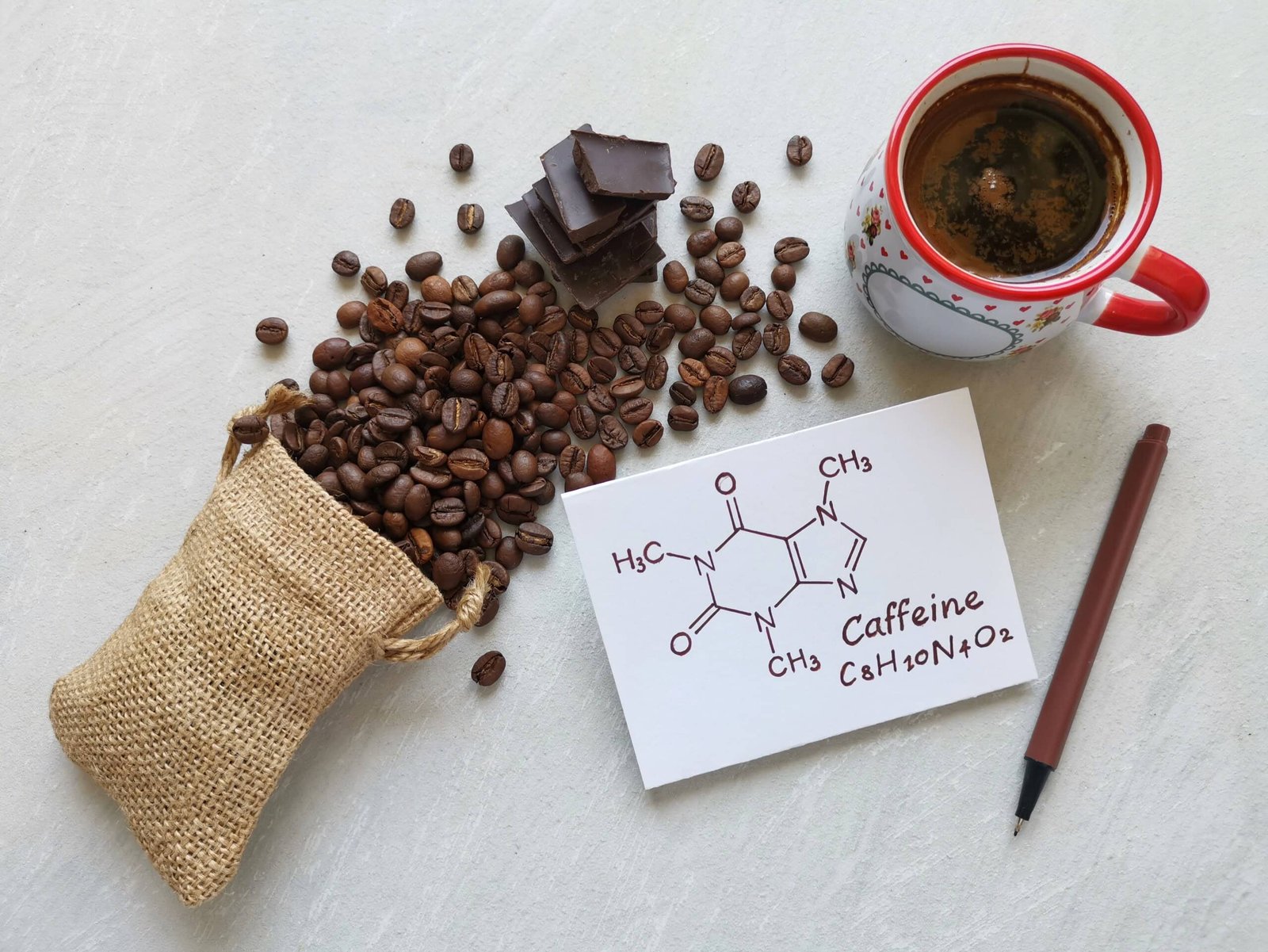
This part explains a lot once you understand it. Caffeine works by blocking adenosine receptors, mostly A1 and A2A receptors, so your brain physically can’t detect how much adenosine is sitting there. It’s not removing adenosine. It’s masking the signal.
Which means while you’re caffeinated, sleep pressure is still building in the background, same as it would without coffee. When caffeine’s effects wear off (usually a few hours later, depending on your metabolism), all that accumulated adenosine suddenly gets “read” again, and it hits at once. That’s the caffeine crash not really low energy, more like a backlog of signals finally getting through.
This is also part of why caffeine late in the day disrupts sleep even if you don’t consciously feel wired. It’s interfering with how much of your adenosine load your brain can even register by bedtime.
Related: Is There a Safe Way to Boost Focus Without Too Much Coffee?
Why does deep sleep matter more than total hours?
Not all sleep clears adenosine equally. Most of the adenosine clearance seems to happen during slow wave sleep: the deep, low-frequency stage that’s concentrated in the first part of the night.
This matters because it explains something people often notice but can’t quite explain: six broken, restless hours can leave you feeling worse than five solid ones. If deep sleep gets cut short or fragmented, sleep pressure doesn’t fully reset, even if total sleep time looks fine on paper.
Some research also points to glymphatic clearance, basically a waste-removal system that becomes more active during deep sleep as playing a role in flushing adenosine and other metabolic byproducts out of brain tissue. Still an active area of study, but it fits with why deep sleep specifically seems to matter so much for sleep-wake regulation, not just sleep duration in general.
Naps, and why timing changes everything
A short nap can reduce sleep pressure just enough to get you through an afternoon slump, since you’re clearing off some of the accumulated adenosine. That’s the upside.
The downside: if the nap is long or late enough, it clears too much pressure, and by bedtime there isn’t enough Process S built up to fall asleep easily. That’s the mechanism behind why naps sometimes backfire on nighttime sleep. It’s not random, it’s the same system just working against you instead of for you.
Generally, shorter naps earlier in the day interfere less with nighttime sleep drive than longer or later ones. Makes sense once you think of it as a resource that depletes with sleep and rebuilds with wakefulness, rather than something that resets on its own regardless of what you do.
So is there a way to speed this up
Not really, no shortcut. Sleep is the only mechanism that meaningfully clears built-up adenosine and lowers Process S. Exercise, light exposure, and consistent sleep timing can help regulate the system so it runs more predictably, but they don’t substitute for the deep sleep stage where most of the actual clearance happens.
Which, honestly, is the underwhelming but accurate answer. Your brain is running a fairly mechanical process in the background building pressure while you’re awake, discharging it during deep sleep and caffeine, willpower, or forcing yourself through the afternoon slump doesn’t change that underlying chemistry. It just delays when you notice it.
FAQs
1. What causes sleep pressure?
Adenosine builds up in the brain the longer you’re awake, and that buildup is what drives sleep pressure.
2. Is sleep pressure the same as being tired from stress or lack of energy?
No. It’s a specific chemical process (adenosine accumulation), separate from general fatigue or stress.
3. Why does caffeine stop working after a few hours?
It only blocks adenosine receptors temporarily. Once it wears off, the adenosine that builds up underneath hits all at once.
4. Does napping reduce sleep pressure?
Yes, but too much or too late a nap can leave you without enough sleep pressure to fall asleep easily at night.
5. What’s the difference between Process S and circadian rhythm?
Process S is your homeostatic sleep drive (builds with wakefulness); circadian rhythm is your internal clock tied to light and time of day. They usually work together.